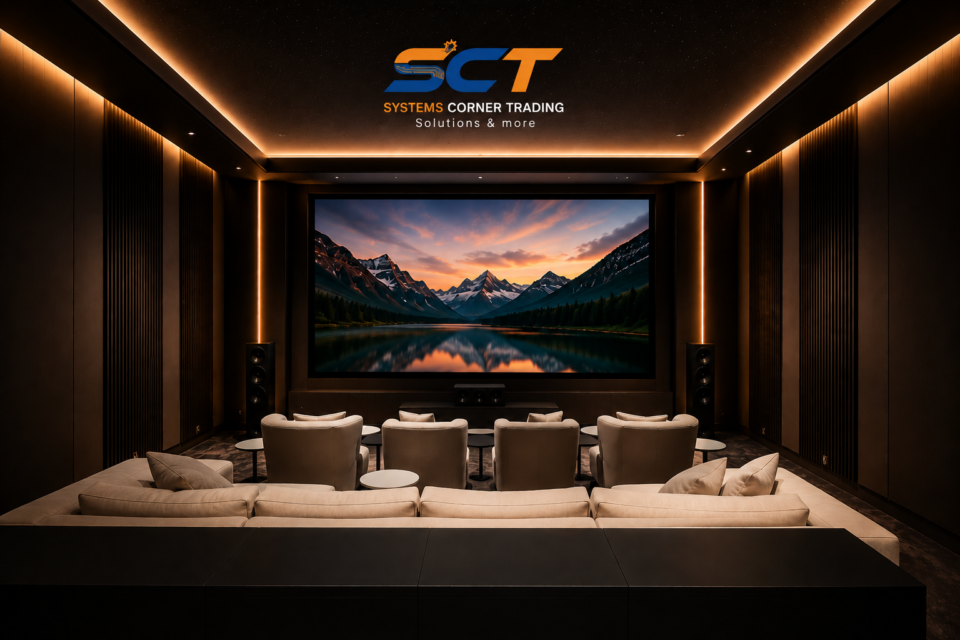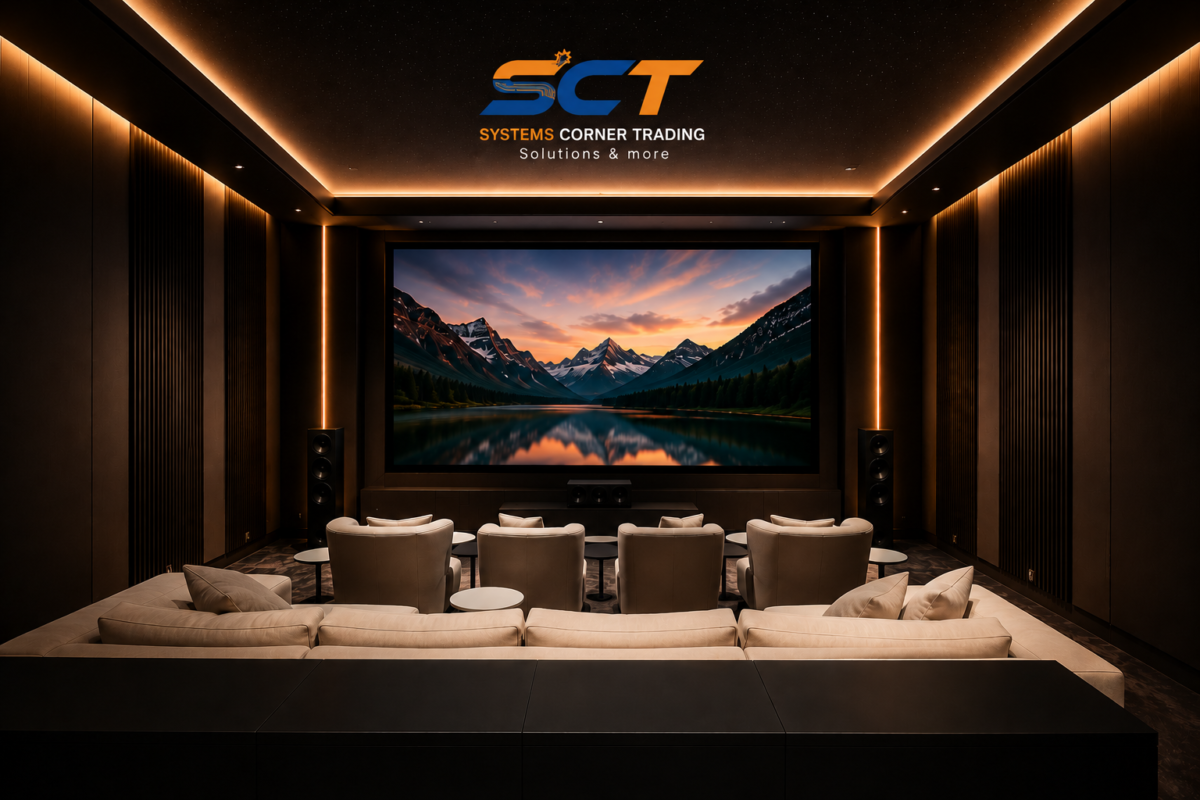

From Empty Room to Private Cinema: What It Really Takes to Build a Luxury Home Theater
July 1, 2026
Fiber Optic vs Copper (Cat6): Which Network Infrastructure Does Your Business Really Need?
July 15, 2026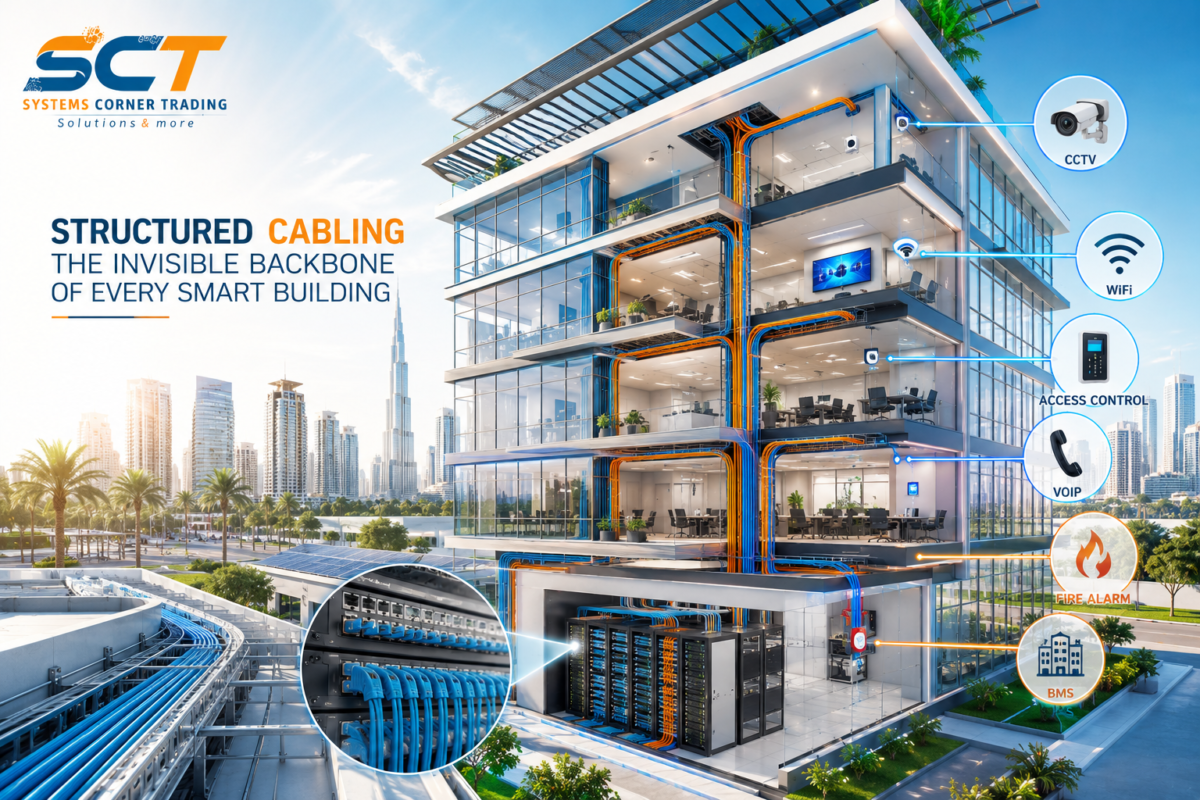
Introduction
When people think about smart buildings, they usually imagine surveillance cameras, wireless networks, access control systems, or intelligent automation.
But behind every one of these technologies lies something that most people never notice.
Structured cabling.
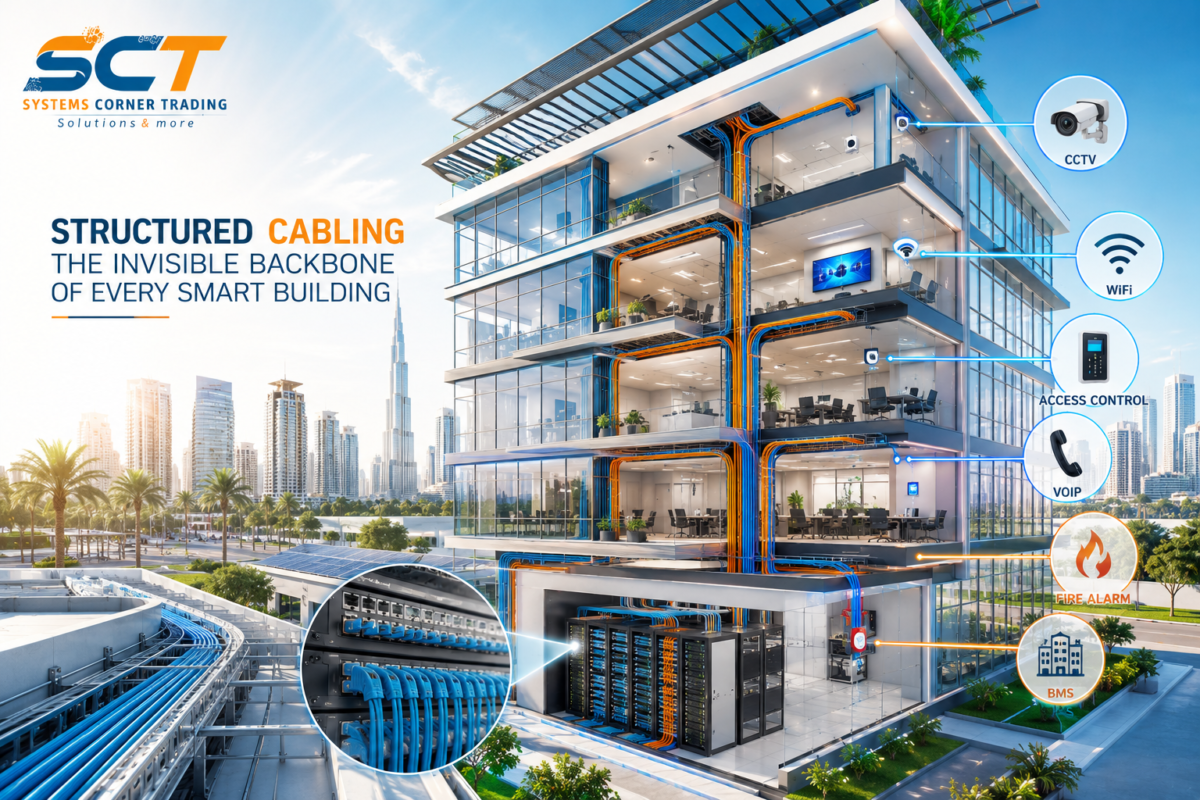
It may be hidden behind walls, above ceilings, and beneath raised floors, yet it is the foundation that allows every connected system inside a building to communicate reliably, securely, and efficiently.
Without a properly designed structured cabling system, even the most advanced technologies cannot perform at their full potential.
What Is Structured Cabling?
Structured cabling is a standardized telecommunications infrastructure that supports multiple building systems through a single organized network.
Instead of installing separate cables for every technology, structured cabling creates one unified infrastructure capable of supporting:
- CCTV Systems
- Access Control
- Fire Alarm Integration
- Wi-Fi Networks
- VoIP Telephony
- Data Networks
- Building Management Systems (BMS)
- Audio Visual Systems
- Smart Building Technologies
This organized approach simplifies installation, maintenance, expansion, and future upgrades.
Why Is Structured Cabling So Important?
Think of structured cabling as the nervous system of a building.
Just as the human nervous system allows every organ to communicate with the brain, structured cabling enables every intelligent device inside a facility to exchange information quickly and accurately.
A poorly designed cabling system can lead to:
- Slow network performance
- Communication failures
- Frequent downtime
- Difficult maintenance
- Expensive future upgrades
On the other hand, a professionally designed infrastructure delivers long-term reliability and scalability.
The Building Systems That Depend on Structured Cabling
Nearly every modern building technology relies on the same infrastructure.
CCTV Surveillance
High-definition cameras continuously transmit video across the network.
Stable cabling ensures smooth video streaming without interruptions or data loss.
Access Control Systems
Card readers, biometric devices, smart locks, and security controllers communicate through structured cabling to verify identities instantly.
Wi-Fi Networks
Wireless access points still require wired network connections.
Reliable cabling guarantees stronger wireless coverage and faster connectivity.
VoIP Communication
Modern IP phones depend entirely on structured network infrastructure for crystal-clear voice communication.
Fire Alarm Integration
Many intelligent fire alarm systems exchange data with building management platforms, emergency notification systems, and security solutions through network infrastructure.
Building Management Systems (BMS)
HVAC, lighting, energy management, elevators, and environmental controls all rely on stable communication between thousands of devices.
Copper or Fiber Optic? Understanding the Difference
A complete structured cabling solution often combines both copper and fiber optic technologies.
Copper Cabling
Typically used for:
- Workstations
- IP Phones
- CCTV Cameras
- Access Points
- Office Networks
Common standards include:
- Cat6
- Cat6A
Fiber Optic Cabling
Ideal for:
- Data Centers
- Campus Networks
- High-Speed Backbones
- Long Distance Connections
- Enterprise Buildings
Fiber offers:
- Higher bandwidth
- Faster transmission
- Longer distances
- Better immunity against electromagnetic interference
Planning for the Future Starts Today
Buildings continue to become smarter every year.
Adding AI-powered cameras, IoT sensors, smart parking systems, energy management platforms, and intelligent automation requires an infrastructure that is ready to support future expansion.
A properly designed structured cabling system minimizes future installation costs while allowing organizations to scale their technology without rebuilding the network from scratch.
Why Professional Installation Matters
Installing cables is only one part of the process.
Professional structured cabling includes:
- Network design
- Cable routing
- Labeling
- Patch panel organization
- Rack installation
- Cable testing
- Performance certification
- Documentation
Every detail contributes to a network that remains reliable for years.
Why Choose Systems Corner Trading?
At Systems Corner Trading, we design structured cabling solutions that create the foundation for today’s technology while preparing buildings for tomorrow’s innovations.
Our team delivers organized, scalable, and high-performance infrastructure for commercial buildings, hotels, healthcare facilities, educational institutions, government projects, and luxury developments across Saudi Arabia.
Whether your project requires copper cabling, fiber optic backbone installation, or a complete smart building infrastructure, we provide solutions engineered for reliability, flexibility, and long-term performance.
Final Thoughts
The smartest buildings are not defined by the devices you can see.
They are defined by the infrastructure you cannot.
Structured cabling is the invisible backbone that allows every intelligent system to work together seamlessly.
Investing in a high-quality cabling infrastructure today means building a smarter, faster, and more reliable future for every connected space.